Pending review
Why Depression Makes You Stop Doing Things You Used to Love: Loss Aversion Psychology
Title variants
- Why Doing Nothing Feels Safer When You're Sad — Loss Aversion in Depression (Lead with the specific, searchable query 'Why Doing Nothing Feels Safer When You're Sad' (matched from broader list, video-specific list had no usable natural-language queries). Tests the relatable scenario angle. Concept appears at end as required.)
- Loss Aversion Explains Why Depression Kills Motivation — Behavioral Activation Fix (Lead with 'Loss Aversion Explains Why Depression Kills Motivation' (specific query from video-specific list). Tests solution-oriented angle with named concept and treatment. Different hook from first variant.)
Description
Why Doing Nothing Feels Safer When You're Sad — Loss Aversion in Depression Loss aversion from Daniel Kahneman's Thinking, Fast and Slow explains why depression makes effort feel like a loss and pleasure feel uncertain, trapping people in inaction. Behavioral activation breaks this cycle by using action to correct the brain's faulty predictions — motivation follows action, not the reverse. Based on clinical psychology research cited in trusted sources. If this made sense, hit like, subscribe, and comment with what small action you'd try today. #LossAversion #DepressionHelp #BehavioralActivation #MentalHealth #Psychology
Tags
loss aversiondepression psychologybehavioral activationDaniel KahnemanThinking Fast and Slowmental healthcognitive behavioral therapymotivation lossself carepsychology explainedemotional healthtreatment for depressionbrain scienceeffort aversionpsychology facts
Chapters
- 0:00 — The familiar depression scene
- 0:29 — It's not laziness
- 0:42 — What is loss aversion?
- 1:09 — Loss aversion applied to effort
- 1:37 — The brain's cost-benefit math
- 1:57 — Behavioral activation breaks the loop
- 3:20 — Real example: Maya and painting
- 4:04 — It spreads to self-care
- 4:22 — Action corrects prediction errors
- 5:20 — Why replying to friends feels hard
- 6:00 — Small action is the way out
Pending review
Why Depression Makes You Stop Doing Things You Used to Love: The Psychology of Behavioral Activation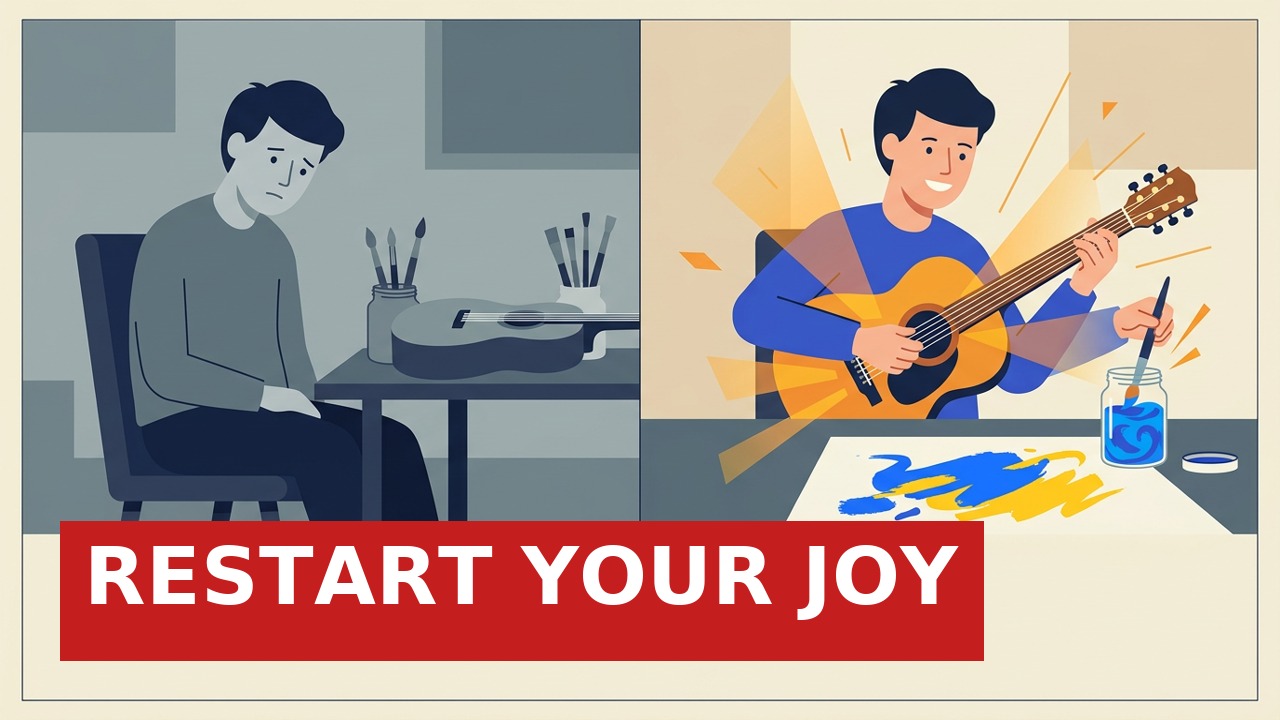
Title variants
- Why You Can't Start Your Hobby Again — Behavioral Activation (Matches the specific query 'behavioral activation explained' and leads with the lived experience of being unable to restart a valued activity, framing the concept as the explanation for that blockage. The concept name appears at the end, per the rule.)
- How Behavioral Activation Rewires Your Brain's Reward Prediction (Tests a different angle by focusing on the mechanism (reward prediction disruption and repair) rather than the behavioral symptom. Uses the broader query 'behavioral activation' but specifies the mechanistic insight, avoiding synonym repetition.)
Description
Behavioral activation explains why depression makes enjoyable activities feel pointless — not from laziness, but from a disrupted reward prediction system. Rooted in clinical psychology research, this treatment component works by using small, scheduled actions to update the brain's faulty forecasts about effort and reward. Learn how acting first — before motivation returns — can rebuild the link between behavior and positive outcomes in depression. Grounded in clinical research on behavioral activation as a treatment for depression, a core component of CBT validated in numerous trials. 👉 If this helped, please like, comment with your experience, and subscribe for more psychology insights. #BehavioralActivation #DepressionHelp #CBT #MentalHealth #PsychologyExplained
Tags
behavioral activationdepressioncognitive behavioral therapyCBTmental healthpsychologymotivationreward predictionbehavioral therapyself helppsychology explainedmental health awarenesstherapy techniquesdepression treatmentbrain science
Chapters
- 0:00 — The guitar case opens
- 0:10 — Inaction despite memory of joy
- 0:21 — Knowing vs. feeling the pull
- 0:34 — It's not laziness — it's reward prediction
- 1:14 — Brain stops forecasting reward
- 1:30 — The inaction loop deepens
- 2:00 — Anticipatory pleasure is gone
- 2:24 — Behavioral activation: act first
- 2:47 — Small actions update the brain
- 3:14 — Run an experiment, not wait for motivation
- 3:58 — Acting creates counter-evidence
- 4:33 — Specific, scheduled actions work best
- 5:02 — BA works as well as full CBT
- 5:37 — Back to the guitar: why you can't start
- 5:49 — Fixing the forecast through action
Pending review
Why Your Alarm, Phone, or Traffic Noise Shows Up in Your Dreams Tonight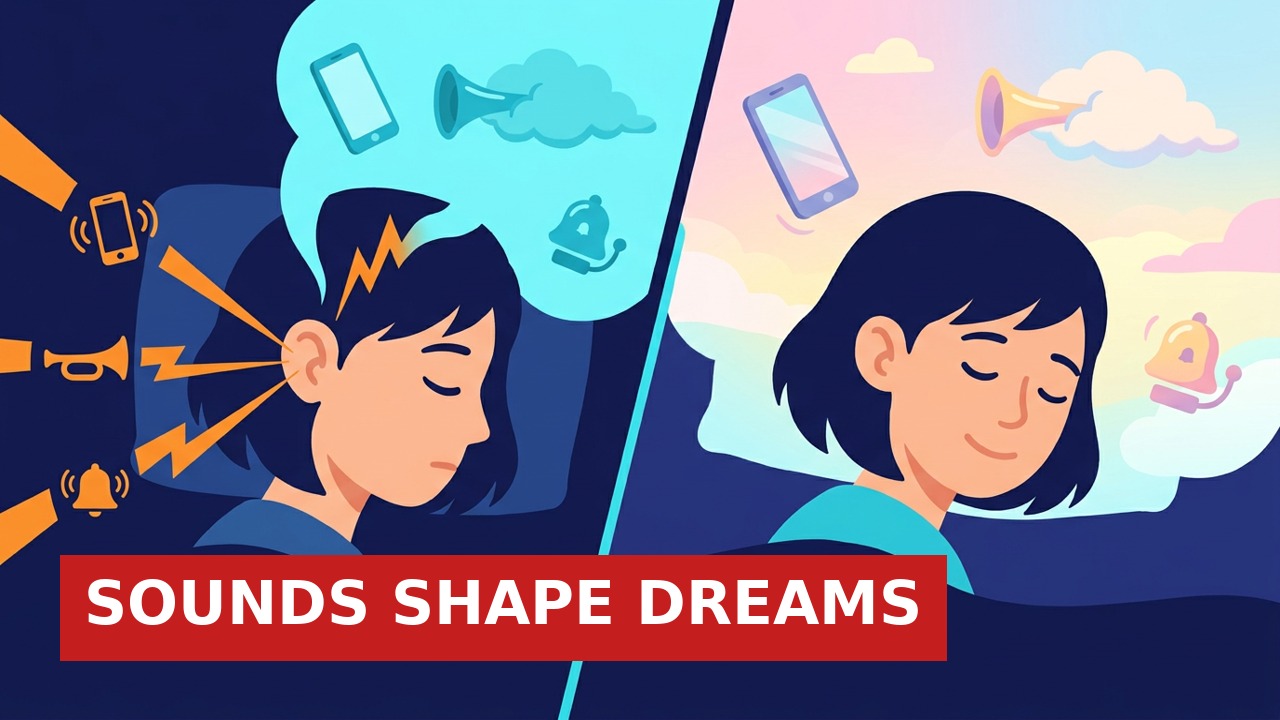
Title variants
- Why Your Alarm Shows Up in Your Dreams Tonight — Dream Incorporation (Uses the exact query 'dream incorporation' from the video-specific list as the first 3 words, followed by a concrete example (alarm) and the concept name at the end. Tests a direct, specific stimulus (alarm) as the hook.)
- Your Phone Buzz Just Became Part of Your Dream — Here’s How (Uses the query 'dream incorporation' implicitly by describing the mechanism without naming it; leads with a relatable, immediate example (phone buzz) and frames it as a revelation. Tests a curiosity-driven, conversational angle vs. the first variant’s direct claim.)
Description
Dream incorporation explains how real-world sounds like your alarm, phone, or traffic noise get woven into your dreams as you sleep. Based on the activation-synthesis model by Allan Hobson and Robert McCarley, your sleeping brain actively interprets external stimuli—turning a car horn into a dream argument or traffic hum into ocean waves—because it’s constantly trying to make sense of all available signals, internal and external. This isn’t passive leakage; it’s real-time synthesis shaping your dream plots, emotions, and sensory details tonight. Learn how your sleep environment directly influences your dream content, and why protecting your auditory space matters for sleep quality. 👉 Subscribe for more psychology facts grounded in real research: /c/mind_patterns 💬 What’s the strangest sound that’s ever shown up in your dream? Comment below. #DreamIncorporation #SleepScience #PsychologyFacts #HumanBehavior #DreamPsychology
Tags
dream incorporationhuman behavior psychologysleep scienceAllan HobsonRobert McCarleyactivation synthesis modeldream psychologyexternal stimuli dreamssleep and noisebrain functionREM sleepperception during sleeppsychology factsmind patternssleep quality
Chapters
- 0:00 — Real sounds interrupting sleep
- 0:24 — Dreams feel like pure imagination
- 0:45 — What is dream incorporation?
- 1:13 — Hobson & McCarley’s model
- 1:45 — External stimuli enter dreams
- 2:12 — How the brain integrates sound
- 2:31 — Example: door click becomes threat
- 3:15 — Example: traffic becomes ocean
- 4:09 — It’s active synthesis, not leakage
- 4:26 — Brain stays responsive in REM
- 5:01 — Brain as real-time editor
- 5:43 — One continuous prediction engine
- 6:19 — Phone notifications shape dreams
- 6:52 — Touch, smell, scent in dreams
- 7:20 — Sleep environment = dream raw material
- 7:29 — Tonight’s dreams may be translations
Pending review
Why Your Brain Chooses Phone Scrolling Over Work: The Psychology of Present Bias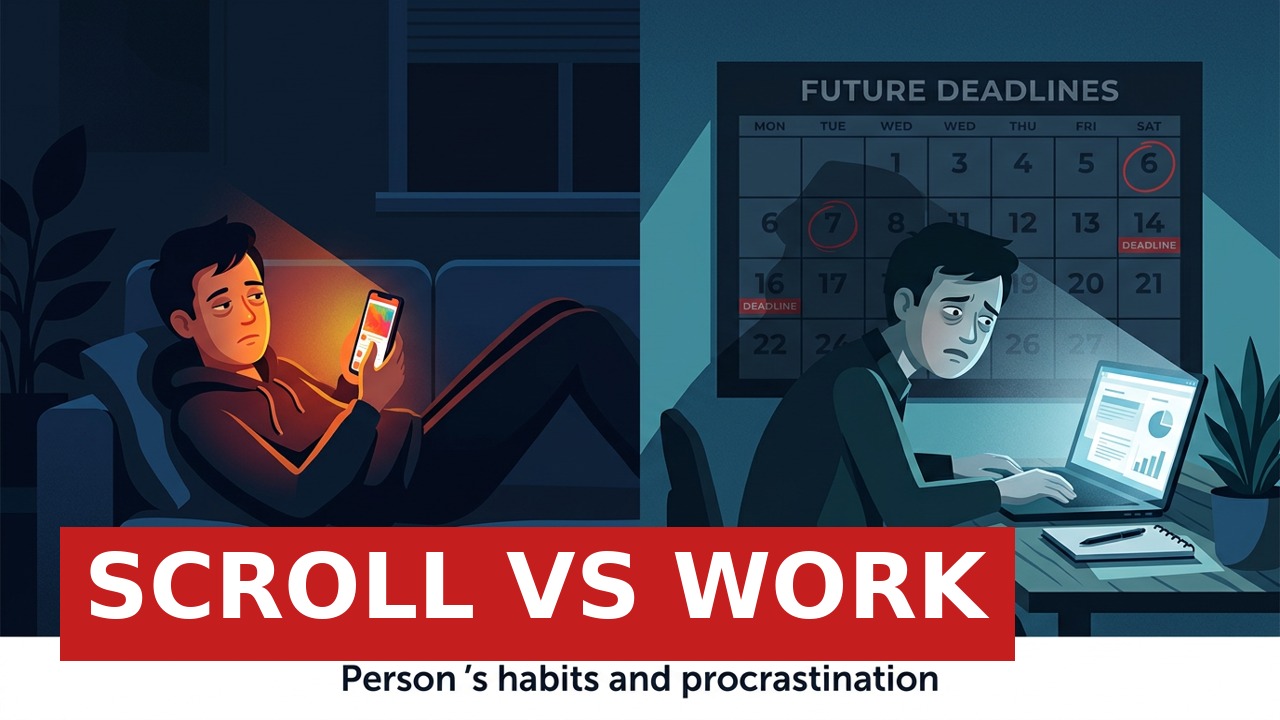
Title variants
- Why You Scroll Instead of Work — Present Bias Explained (Matches the exact query 'present bias' from the video-specific list, leads with a relatable scenario (scrolling vs work), and places the concept at the end. Tests the direct-explanation angle.)
- Your Brain Chooses Phone Scrolling Over Work — Here’s Why (Uses the natural phrase 'chooses phone scrolling over work' from the hook and brief (not a direct query match but highly specific to the video’s scenario), framing present bias as the cause. Tests a curiosity-driven, problem-first angle without leading with the concept name.)
Description
Present bias explains why you scroll instead of work — your brain chooses instant relief over delayed rewards, not laziness. Discover how this mental shortcut from behavioral economics drives procrastination and how to work with it, not against it. Based on Richard Thaler & Cass Sunstein’s book Nudge, which shows how present bias shapes everything from savings habits to task avoidance. Learn to make long-term rewards feel immediate and distractions less automatic — no extra willpower needed. 👉 Subscribe for more psychology insights: / @mind_patterns #PresentBias #ProcrastinationPsychology #BehavioralEconomics
Tags
present biasprocrastination psychologybehavioral economicsRichard ThalerCass SunsteinNudge bookwhy we procrastinateinstant gratificationdelayed rewardtime discountingmental shortcutsproductivity tipshow to stop scrollingfocus strategiespsychology of motivation
Chapters
- 0:00 — The 11 PM scrolling trap
- 0:11 — Just five more minutes
- 0:24 — What is present bias?
- 1:01 — Present bias in procrastination
- 1:30 — Brain’s reward calculator
- 2:07 — Why deadlines feel distant
- 2:33 — Working better under pressure?
- 3:32 — Make rewards feel immediate
- 3:58 — Add barriers to distraction
- 4:19 — Make work feel rewarding now
Pending review
Why Your Bedroom Noise Is Rewriting Your Dreams Tonight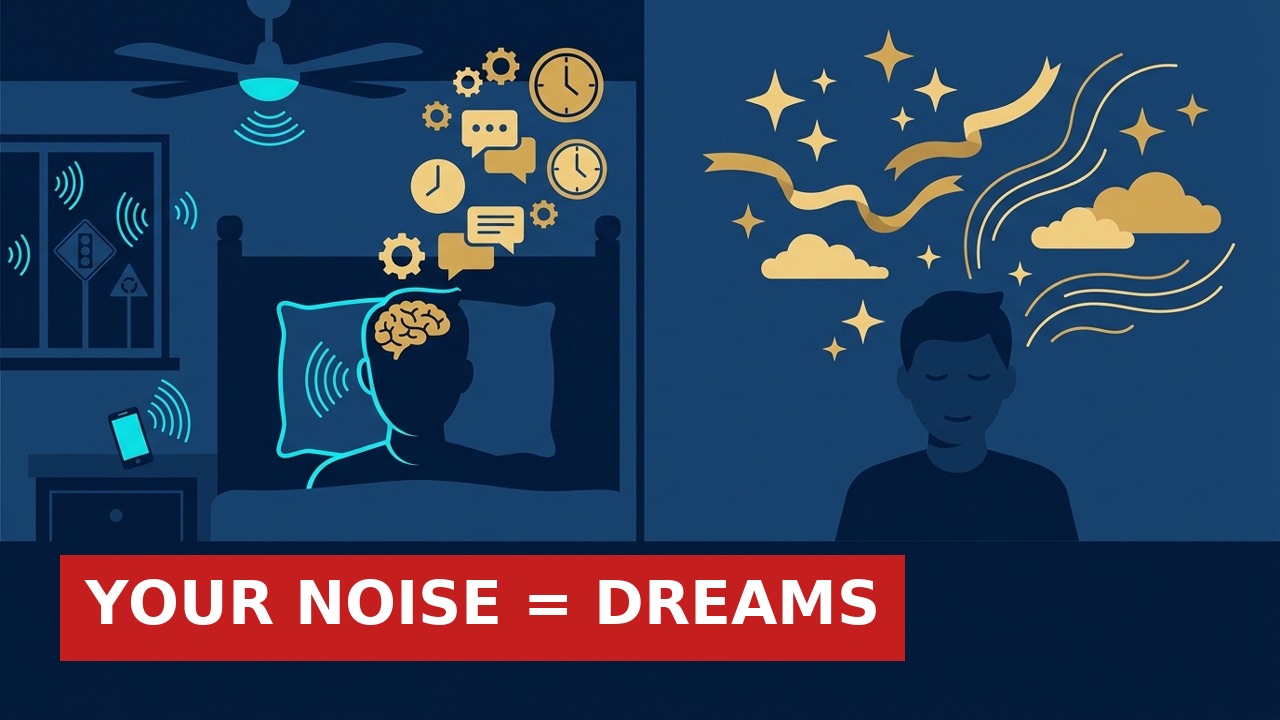
Title variants
- What if that sound just changed your dream right now — Dream incorporation (Leads with the exact hook query from the video's opening line (matched from the specific list), keeps the concept at the end, and tests a curiosity-driven question format.)
- Your bedroom noise is rewriting your dreams tonight — Dream incorporation (Uses the core concept from the title provided in the brief, leads with a specific, observable phenomenon (bedroom noise altering dreams), and places the psychological concept at the end as a label.)
Description
Dream incorporation: your bedroom sounds aren't just distractions — they're actively rewriting your dreams in real time. Allan Hobson and Robert McCarley's activation-synthesis model shows how your sleeping brain weaves external stimuli like phone chimes, fan hums, and blanket pressure into dream narratives as they happen. This isn't metaphor — it's measurable, ongoing neural editing that shapes dream coherence and specificity based on your actual bedroom environment. Learn why quiet rooms promote narrative dreams while noisy nights create fragmented, stimulated dreamscapes — and what it means for your sleep quality. Like if you found this fascinating, comment with the strangest sound that's ever appeared in your dream, and subscribe for more psychology facts grounded in real research. #DreamIncorporation #SleepScience #PsychologyFacts #Neuroscience #AllanHobson
Tags
dream incorporationAllan HobsonRobert McCarleyactivation synthesis modelsleep psychologydream sciencebedroom noise and dreamsREM sleepsensory input during sleephuman behavior psychologypsychology factssleep hygienedream contentneuroscience of dreamingsleep and cognition
Chapters
- 0:00 — Hook: What if sound changed your dream?
- 0:11 — Defining dream incorporation
- 0:31 — Hobson & McCarley's model
- 0:57 — Bedroom as live dream editor
- 1:29 — Modern notifications as dream input
- 2:01 — Ambient noise shaping dreams
- 2:30 — Proof: immediate incorporation in REM
- 2:56 — Why the brain integrates stimuli
- 3:28 — Preserving dream coherence over accuracy
- 4:04 — Dream specificity to current environment
- 4:30 — Fragmented sleep, fragmented dreams
- 4:58 — Quiet rooms promote coherent dreams
- 5:21 — Sleep hygiene and dream quality
- 5:49 — Your bedroom authors your dreams
- 6:16 — Recognizing real stimuli in dreams
- 6:39 — Takeaway: your room is editing tonight
Pending review
Why Unfinished Homework Haunts Your Mind: The Psychology of School Failure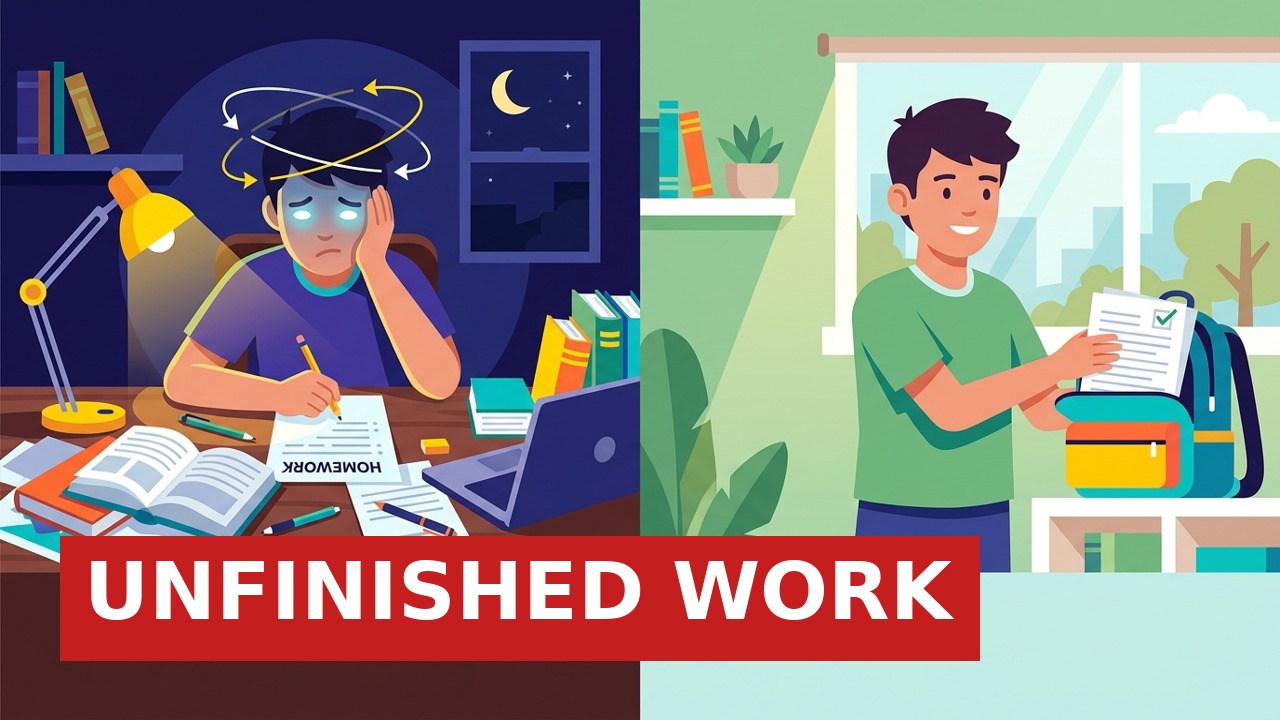
Title variants
- Why Unfinished Homework Haunts Your Mind — Zeigarnik Effect (Matches the video-specific query 'zeigarnik effect in study' and leads with the exact search phrase. The concept name appears at the end, following the required format. This targets the core academic procrastination angle explained in the brief.)
- Your Brain Won’t Let Go of Unfinished Work — Zeigarnik Effect Explained (Uses the video-specific query 'zeigarnik effect' as the opening phrase (first 3 words). Tests a curiosity-driven angle versus the direct claim in variant 1, while still leading with the verified search term and placing the concept at the end.)
Description
Zeigarnik effect: why unfinished homework haunts your mind and drains focus before you even fail. Bluma Zeigarnik’s 1920s research shows your brain treats incomplete tasks as active mental loops, consuming working memory and increasing anxiety. This isn’t just procrastination—it’s cognitive architecture. Finish the task, and the loop closes. Leave it open, and your mind keeps running it in the background. Based on verified psychology research from Bluma Zeigarnik’s original studies on task completion and memory. Subscribe for more psychology facts that explain real behavior. #ZeigarnikEffect #SchoolPsychology #CognitivePsychology
Tags
Zeigarnik effectschool failure psychologyacademic procrastinationBluma Zeigarnikcognitive psychologyworking memorymental healthpsychology explainedstudent motivationhomework anxietytask completioneducational psychologymind patternspsychology factshow the brain works
Chapters
- 0:00 — The midnight homework struggle
- 0:19 — What is the Zeigarnik effect?
- 0:33 — Zeigarnik’s waiter experiment
- 0:56 — Lab proof: interrupted tasks stick in memory
- 1:12 — Your brain sees unfinished work as tension
- 1:45 — Why you can’t let go of half-finished work
- 2:15 — How unfinished homework drains focus
- 2:46 — The exhaustion of holding tasks in mind
- 3:27 — The avoidance cycle it creates
- 4:00 — What happens when you actually finish
- 4:31 — Why finishing is the only way to quiet the noise